

Carbon Fiber Elbow Pipe
Product Description
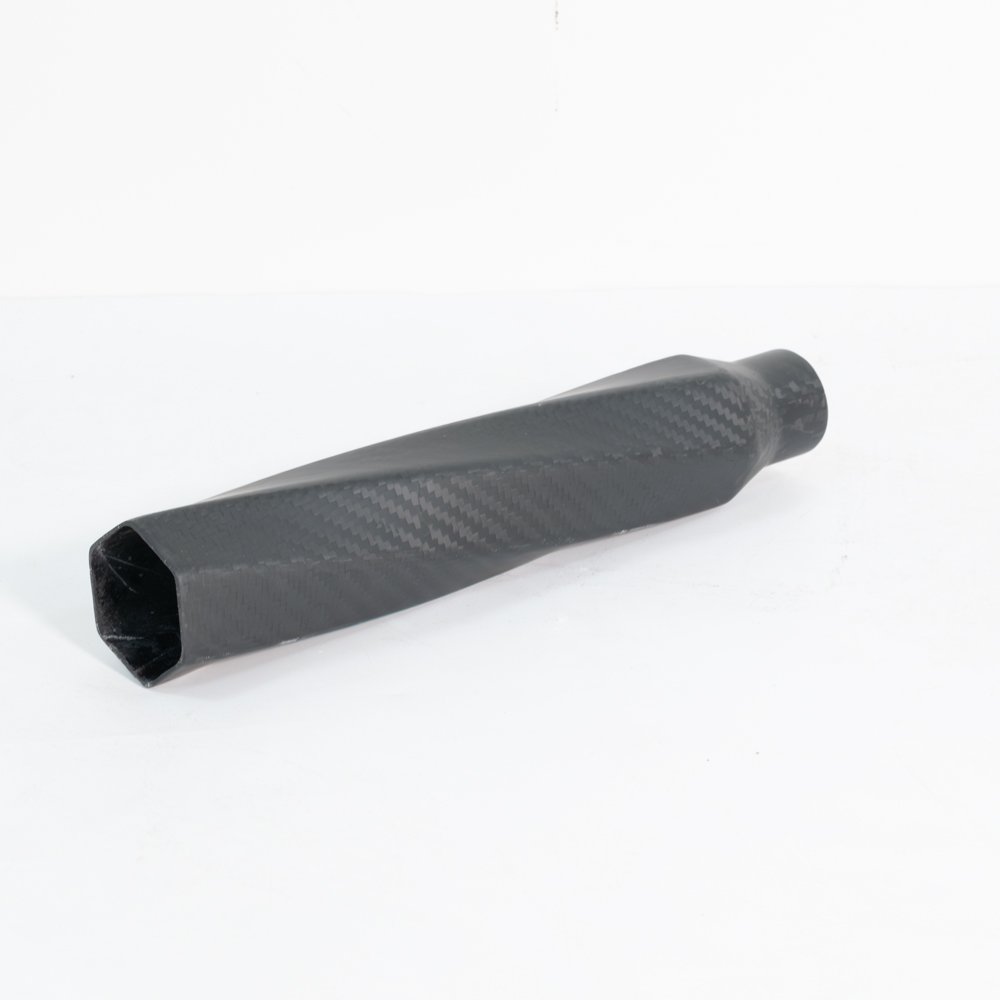
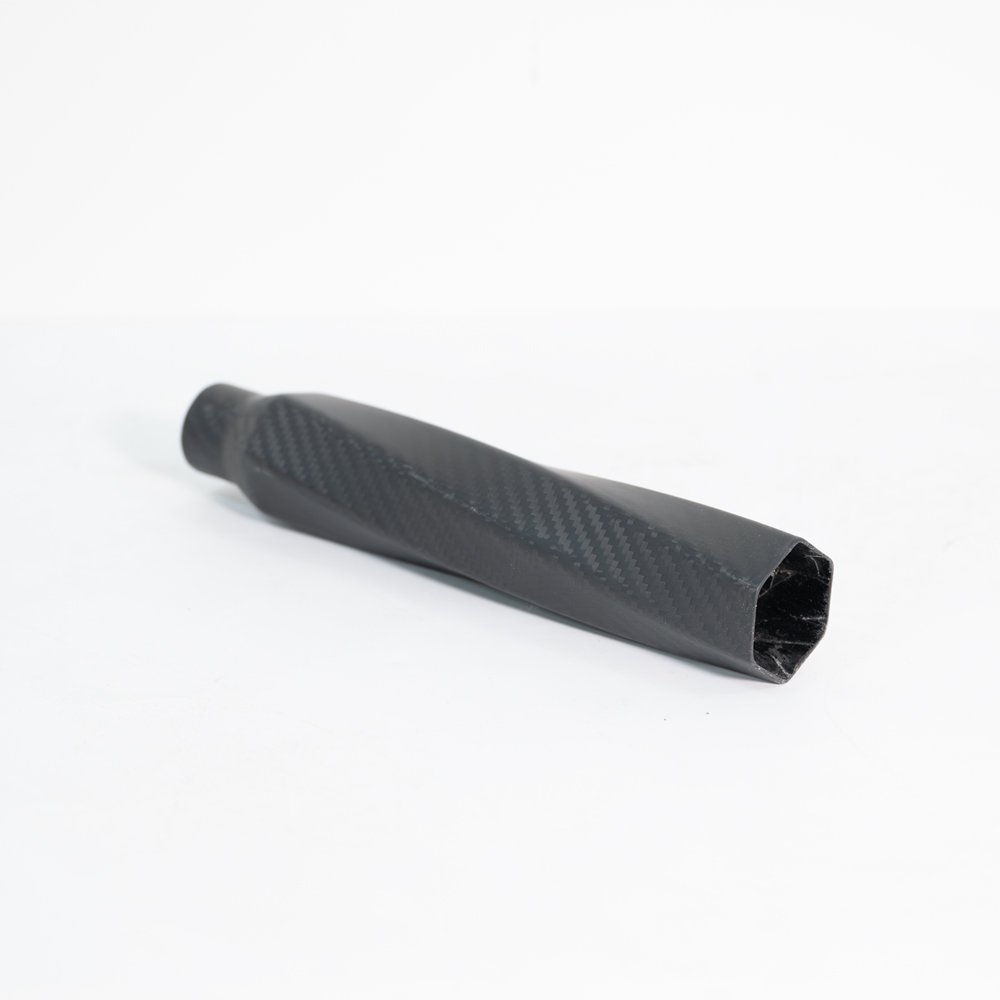
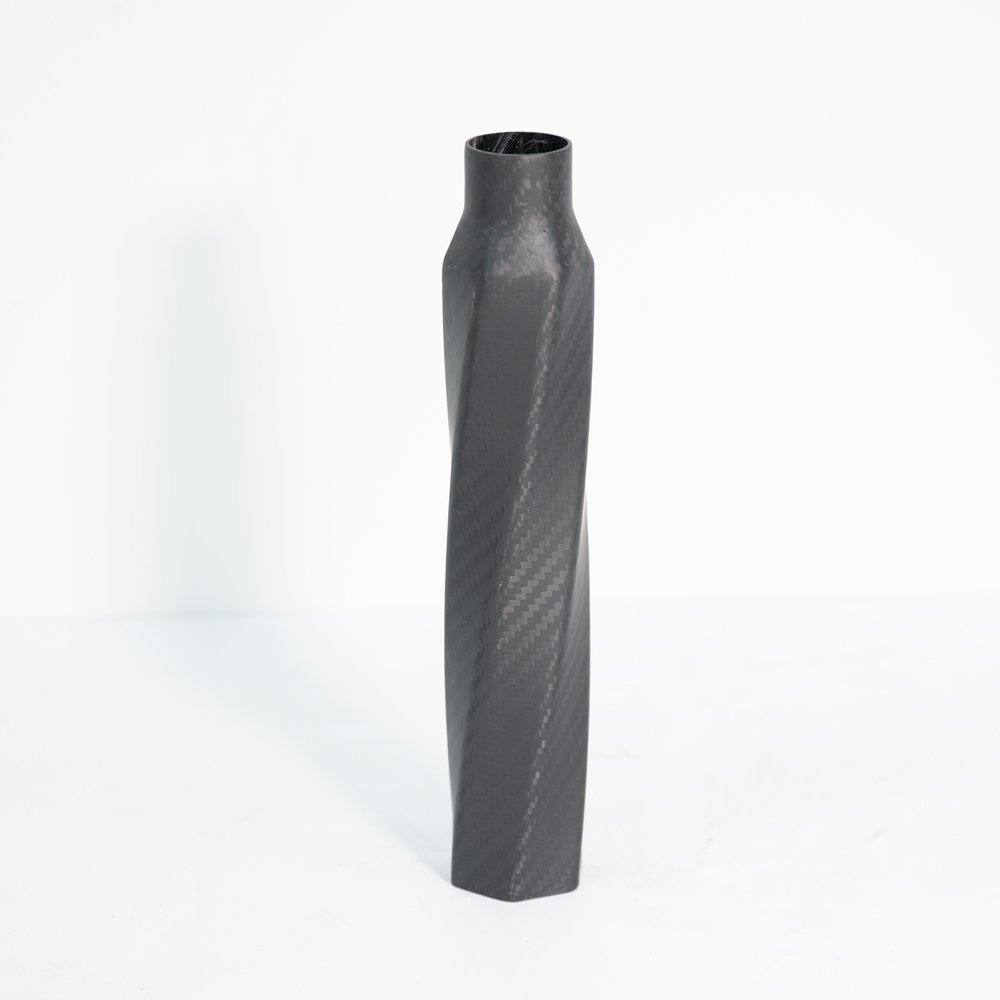
A carbon fiber elbow pipe is a high-performance tubular component curved at an angle, typically used in applications where strength, lightweight, and corrosion resistance are required. Made from carbon fiber composite material, it offers excellent mechanical properties and is suitable for industries such as aerospace, automotive, and industrial systems. The pipe’s elbow shape allows for directional changes in fluid or gas transfer lines, enhancing space utilization and system efficiency.
| Specifications | Value |
|---|---|
| Material | High-quality carbon fiber |
| Weight | Lightweight (approx. 250g) |
| Color | Black or customizable |
| Length | Various options available (e.g. 15cm, 20cm, 25cm) |
| Diameter | Approx. 3cm |
| Load Capacity | Suitable for weights up to 15kg |
| Environmental Resistance | Resistant to water, oil, and corrosion |
| Applications | Outdoor sports, recreational activities, agriculture, industrial use |
Note: The values listed in the table are approximate and may vary depending on the specific product model and manufacturer. It is recommended to consult the product datasheet for accurate and detailed specifications.
Application
Carbon fiber elbow pipes are utilized in a variety of applications where their unique properties contribute to improved system performance and durability. Some common uses include:
Aerospace: In aircraft and spacecraft, carbon fiber elbow pipes are used in fuel lines, air conditioning systems, and hydraulic systems due to their lightweight and ability to withstand extreme temperatures.
Automotive: In high-performance vehicles, especially racing cars, they are used for exhaust systems, fuel delivery, and cooling systems because of their heat resistance and strength-to-weight ratio.
Industrial Systems: In manufacturing and industrial processes, these pipes are used for conveying chemicals, gases, or fluids where corrosion resistance and long-term reliability are crucial.
Alternative Energy: In wind turbines and other renewable energy equipment, carbon fiber elbow pipes are utilized for their fatigue resistance and lightweight properties, contributing to more efficient energy transfer.
Bicycles and Sports Equipment: For high-performance bicycles and other sports equipment, they are used to reduce weight and increase structural integrity.
Marine Applications: In marine environments, carbon fiber elbow pipes are favored for their resistance to saltwater corrosion and ability to handle seawater-based fluids.
Robotics and Automation: In advanced robotics, the lightweight and precise nature of carbon fiber pipes allows for more agile and precise movements in automated systems.
HVAC Systems: Within heating, ventilation, and air conditioning (HVAC) systems, these pipes can be used to transport refrigerants and other fluids while maintaining efficiency and minimizing leaks.
Advantages
High Strength-to-Weight Ratio:
Carbon fiber is renowned for its exceptional strength relative to its weight. Elbow pipes made from this material are incredibly strong but much lighter than metal equivalents, which is particularly important in weight-sensitive applications like aerospace and automotive.
Corrosion Resistance:
Unlike many metals, carbon fiber doesn’t corrode, making these pipes ideal for transporting chemicals, saltwater, or other corrosive fluids.
Fatigue Resistance:
Carbon fiber composites can endure repeated stresses with less susceptibility to fatigue failure compared to metals, extending the service life of the pipe.

Thermal Stability:
These pipes can withstand extreme temperatures without failing, which is crucial in high-heat environments like exhaust systems and industrial processes.
Chemical Inertness:
Carbon fiber doesn’t react with most chemicals, ensuring the integrity of the pipe and the purity of the fluids it carries.
Reduced Thermal Expansion:
Carbon fiber has a low coefficient of thermal expansion, meaning the pipe dimensions remain stable under varying temperature conditions, which helps maintain system accuracy and reduces leakage risks.
Improved System Efficiency:
The smooth interior surface of carbon fiber pipes reduces friction, allowing fluids to flow more easily and reducing the need for additional pumping power.
Customization Options:
Carbon fiber pipes can be tailored to specific shapes, sizes, and curvatures, offering design flexibility that is difficult to achieve with other materials.
Enhanced Safety:
In the event of impact or collision, carbon fiber components are more likely to fracture in a controlled manner than to cause sharp fragments, reducing the risk of injury.
Our Advantages

Complete set of tooling
Our carbon fiber products are manufactured using a variety of molds to ensure precision and consistency in the final product. We have multiple sets of molds designed to accommodate different shapes, sizes, and specifications of carbon fiber components.
High production capacity
Our carbon fiber products are manufactured with high production capacity, ensuring efficient and cost-effective mass production. We have invested in advanced equipment and technology to streamline the production process and maximize output.


High product precision
Our carbon fiber components are designed and engineered to meet the exacting requirements of various industries and applications. We utilize computer-aided design (CAD) and computer-aided manufacturing (CAM) technologies to ensure precise measurements and cuts during the production process.
Catering to various customized processing needs
Our carbon fiber products are versatile and can cater to a wide range of customized processing needs. Whether it is for aerospace, automotive, sports equipment, or any other industry, our carbon fiber can be tailored to meet specific requirements.


