

Engine Hood
Product Description
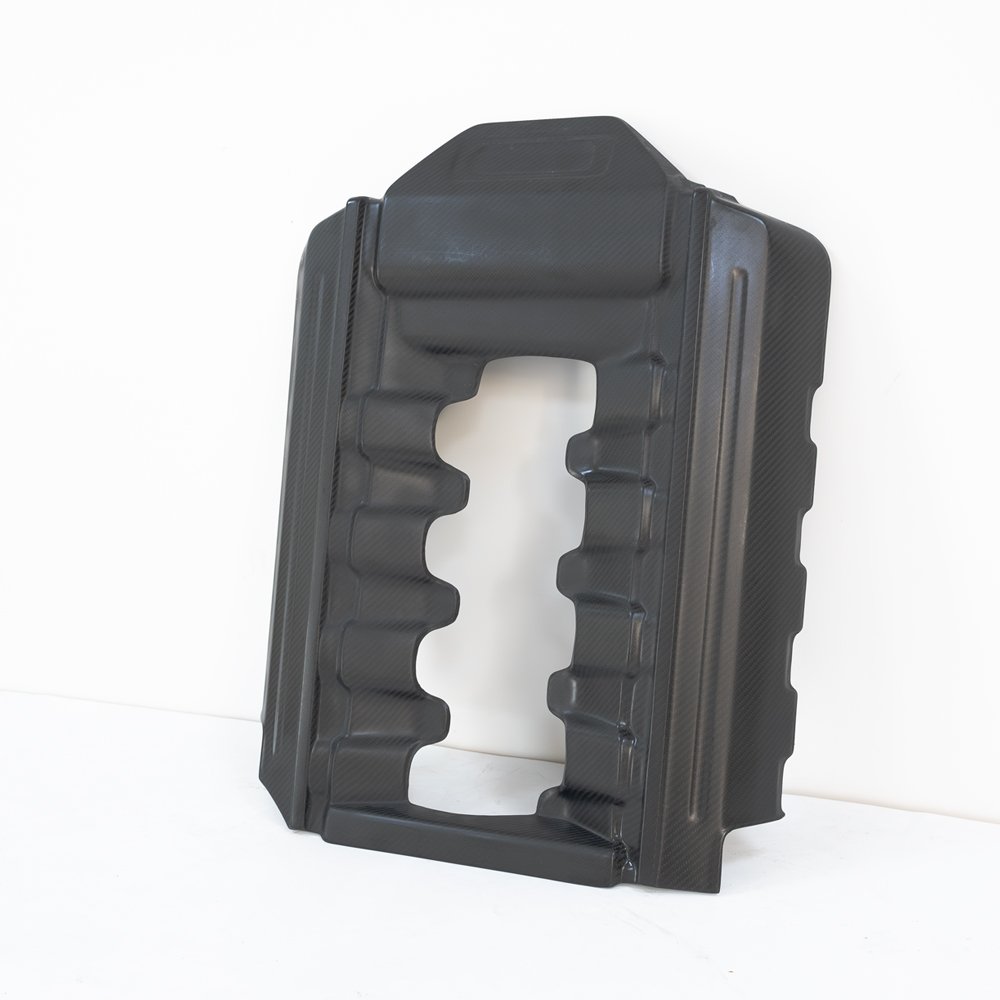
An engine hood, also known as an engine cover, is a protective component designed to cover the engine compartment of a vehicle. It serves several important functions:
Protection: It shields the engine from dust, debris, and potential damage caused by external elements such as rocks or other materials that might fly up while driving.
Aesthetics: The engine hood is one of the most visually prominent parts of a vehicle’s exterior, contributing significantly to its overall look and styling.
Aerodynamics: The design of the engine hood can affect the airflow over the vehicle, influencing drag and air resistance, which can impact performance and fuel economy.
Heat Insulation: It helps to contain heat from the engine, reducing the temperature around the engine bay and in some cases, the vehicle’s interior.
Safety: In the event of an accident, the engine hood can help protect the occupants by acting as a crumple zone, absorbing some of the impact.
Typically made from sturdy materials like steel, aluminum, or fiber-reinforced plastics, the engine hood is designed to be strong yet lightweight. It often features a thermal protection layer to prevent heat damage and may come with soundproofing material to reduce noise from the engine. Some high-performance vehicles or custom-built cars might use advanced materials like carbon fiber for the engine hood to further reduce weight and improve vehicle dynamics.
| Specifications | Value |
|---|---|
| Material | High-quality carbon fiber |
| Weight | Lightweight (approx. 250g) |
| Color | Black or customizable |
| Length | Various options available (e.g. 15cm, 20cm, 25cm) |
| Diameter | Approx. 3cm |
| Load Capacity | Suitable for weights up to 15kg |
| Environmental Resistance | Resistant to water, oil, and corrosion |
| Applications | Outdoor sports, recreational activities, agriculture, industrial use |
Note: The values listed in the table are approximate and may vary depending on the specific product model and manufacturer. It is recommended to consult the product datasheet for accurate and detailed specifications.
Application
Performance Enhancing: Carbon fiber is a lightweight material, which reduces the overall weight of the vehicle. This weight reduction can lead to improved acceleration and braking, as well as increased fuel efficiency.
Aerodynamic Efficiency: The smooth surface and the ability to easily mold complex shapes with carbon fiber allow for better aerodynamics. This can result in reduced drag and air resistance at high speeds, further enhancing the vehicle’s performance.
Heat Management: Carbon fiber offers lower thermal conductivity compared to metals, meaning that it doesn’t transfer heat from the engine to the exterior of the hood as quickly. This characteristic helps in maintaining cooler engine bay temperatures.
Visual Appeal: The weave pattern of carbon fiber provides a distinctive, high-end look that many car enthusiasts and owners find appealing. It adds a touch of luxury and sportiness to the vehicle’s exterior.
Strength and Durability: Carbon fiber is known for its high strength-to-weight ratio. It is incredibly strong and resistant to impact, making it a durable choice for an engine hood that can withstand the demands of everyday driving and racing conditions.
Customization: Carbon fiber engine hoods can be customized to fit various car models, offering a perfect fit and personalized designs to meet specific customer requirements.
Racing Applications: In motorsports, especially where weight reduction and performance gains are crucial, carbon fiber engine hoods are widely used. They contribute to a more competitive race car by reducing weight and improving aerodynamics.
Luxury and Sports Cars: Manufacturers of luxury and high-performance sports cars often use carbon fiber engine hoods as a standard feature or as an available option to enhance the vehicle’s performance and exclusivity.

Advantages
Weight Reduction:
One of the most significant benefits of carbon fiber is its low weight. A carbon fiber engine hood can be up to 50% lighter than a comparable steel or aluminum hood, which reduces the overall weight of the vehicle and improves its power-to-weight ratio.
Increased Performance:
The reduced weight contributes to improved vehicle dynamics, including faster acceleration, better braking, and enhanced cornering abilities. It also leads to increased fuel efficiency as the engine has to work less to move the vehicle.
Improved Stiffness:
Carbon fiber is known for its high stiffness-to-weight ratio, providing excellent structural integrity without adding much weight. This helps maintain the hood’s strength and durability even when it’s subjected to stress.


Aerodynamic Efficiency:
Carbon fiber engine hoods can be designed and shaped to improve air flow over the vehicle, reducing drag and air resistance. This can lead to higher top speeds and improved handling at high velocities.
Heat Resistance:
Carbon fiber has lower thermal conductivity compared to metals, meaning it doesn’t transfer heat as quickly. This helps in maintaining cooler engine bay temperatures, which can positively affect engine efficiency and longevity.
Distinctive Appearance:
The unique weave pattern of carbon fiber gives it a high-end, luxurious look that is highly sought after by car enthusiasts and owners who want their vehicles to stand out.
Corrosion Resistance:
Unlike metal hoods, carbon fiber is not subject to rust or corrosion, ensuring long-term durability with minimal maintenance requirements.
Customization:
Carbon fiber engine hoods can be tailored to specific designs and shapes, offering unlimited possibilities for customization to fit various car models and personal preferences.
Damage Tolerance:
While carbon fiber is strong, it also exhibits a degree of toughness. It can absorb impact without cracking or denting as easily as some metals, making it more damage-tolerant in case of accidents or debris on the road.
Our Advantages

Complete set of tooling
Our carbon fiber products are manufactured using a variety of molds to ensure precision and consistency in the final product. We have multiple sets of molds designed to accommodate different shapes, sizes, and specifications of carbon fiber components.
High production capacity
Our carbon fiber products are manufactured with high production capacity, ensuring efficient and cost-effective mass production. We have invested in advanced equipment and technology to streamline the production process and maximize output.


High product precision
Our carbon fiber components are designed and engineered to meet the exacting requirements of various industries and applications. We utilize computer-aided design (CAD) and computer-aided manufacturing (CAM) technologies to ensure precise measurements and cuts during the production process.
Catering to various customized processing needs
Our carbon fiber products are versatile and can cater to a wide range of customized processing needs. Whether it is for aerospace, automotive, sports equipment, or any other industry, our carbon fiber can be tailored to meet specific requirements.


