

Fiberglass I-beam
Fiberglass I-Beam Product Description
1、Fiberglass I-Beam is a structural profile made of fiber-reinforced polymer , featuring outstanding performance and widely used in construction, bridges, chemical engineering, marine engineering and other fields.
Fiberglass I-beam Its main characteristics include:
(1)、High strength and lightweight: The strength of fiberglass I-beam is comparable to that of steel, but its weight is only 1/4 of steel, significantly reducing the structural weight and facilitating transportation and installation.
(2)、Corrosion resistance: Fiberglass I-beam has excellent resistance to acids, alkalis, salts and various chemicals, making it suitable for use in harsh environments such as marine and chemical plants.
(3)、Excellent insulation: The non-conductive properties of fiberglass I-beams give them unique advantages in electrical engineering and scenarios requiring insulation.

| Property | Fiberglass I-Beam Specifications |
|---|---|
| Composition | High-quality glass fibers reinforced with epoxy resin |
| Transparency | Limited transparency; primarily opaque for structural integrity |
| Density | 1.8-2.0 g/cm³ |
| Tensile Strength | 450-650 MPa |
| Flexural Strength | 600-800 MPa |
| Modulus of Elasticity | 30-40 GPa (corrected unit from “Gallon”) |
| Impact Strength | 15-25 kJ/m² |
| Chemical Resistance | Resistant to acids, alkalis, solvents and salts |
| Environmental Resistance | Highly resistant to moisture, UV radiation and temperature variations |
| Electrical Insulation | Non-conductive, suitable for electrical insulation applications |
| Machinability | Easy to cut, drill, shape and bond for custom structures |
| Applications | Bridges, chemical plants, marine structures and lightweight framing |
Fiberglass Industry Trends
(1)、Growing Global Demand
Wind energy, automotive lightweighting, and 5G infrastructure are driving growth, with the global market expected to exceed $15 billion by 2025.
(2)、Renewable Energy Boom
Mega wind turbine blades (80m+) rely on advanced fiberglass, with China accounting for 60% of global demand.
(3)、Automotive Lightweighting Acceleration
EV battery enclosures and body parts use fiberglass for weight reduction (e.g., Tesla Cybertruck bed panels).
Challenges & Opportunities
| Trend | Description |
|---|---|
| Cost Pressure | Rising natural gas prices increase production costs |
| Technical Barriers | High-end products (e.g., carbon-glass hybrids) require imported equipment |
| Substitute Competition | Carbon fiber competes in premium segments |
| Policy Support | China’s 14th Five-Year Plan prioritizes fiberglass R&D |
Application
Fiberglass I-beams are widely used in many fields due to their light weight, high strength, corrosion resistance and non-conductivity. The following are its main application scenarios based on the characteristics and common uses of glass fiber reinforced composite materials:
1. Bridge structure: used for bridge beams, supporting structures or guardrails, especially in coastal or highly corrosive environments, because of its resistance to salt spray and chemical corrosion.
2. Building frame: in buildings that require lightness and durability, such as beam and column structures of factories and warehouses.
3. Tunnel engineering: used as supporting structure in tunnels to resist moisture and chemical corrosion.


4. Electrical and Energy Fields
Transmission Towers and Cable Brackets: Taking advantage of its non-conductive properties, it is suitable for supporting structures in high-voltage electrical environments.
5. Wind Power Equipment: Used for some lightweight components of wind power towers to reduce the overall weight.
6. Traffic and Transportation
Railway and Rail Transit: Used as non-load-bearing components of the rail system, such as signal equipment brackets, with strong weather resistance.
Light Vehicle Structure: In special vehicles or transportation equipment, as a lightweight frame material.


7. Other Applications
Agriculture and Greenhouses: Used for greenhouse frames, resistant to moisture and rust, suitable for long-term use.
Amusement Facilities and Landscapes: In playgrounds or parks, used for weather-resistant structural parts, such as viewing platform brackets.
Advantages of fiberglass I-beams
Lightweight and high strength
low density, light weight, but high strength, excellent tensile and compressive properties, suitable for scenes requiring high strength and reduced structural weight.
Corrosion resistance
Fiberglass I-beams have excellent corrosion resistance to acids, alkalis, salts and a variety of chemicals, and are suitable for harsh environments such as chemical industry and marine engineering.
Insulation performance
non-conductive, with good electrical insulation and anti-electromagnetic interference properties, suitable for power, communications and other fields.
High and low temperature resistance
It can maintain stable performance in a wide temperature range and has strong weather resistance.
Design flexibility
It is easy to process and can be customized in shape and size according to needs to meet different engineering requirements.
Strong durability
Good anti-aging performance, long service life and low maintenance cost.
Environmental protection
The production process is relatively energy-saving, and the materials can be recycled, which meets the requirements of green buildings.These advantages make fiberglass I-beams widely used in construction, bridges, ships, chemical equipment and other fields.
Customization Details
Customize The Diameter
If the size you need is not listed in the table, please contact us. We have a variety of molds that can produce fiberglass I-beams with sizes ranging from 25mm to 300mm.
Height(mm) Height(in) Width(mm) Width(in) Web thickness(mm) Web thickness(in) 25 0.984 15 0.591 3 0.118 38 1.496 20 0.787 4 0.157 50 2.992 25 0.948 5 0.197 76 2.992 38 1.4966 6 0.236 100 3.937 50 1.968 7 0.276 120 4.724 60 2.362 8 0.315 150 5.905 75 2.653 9 0.354 200 7.874 100 3.937 10 0.393 250 9.842 125 4.921 12 0.472 300 11.811 150 5.905 15 0.591
| Height(mm) | Height(in) | Width(mm) | Width(in) | Web thickness(mm) | Web thickness(in) |
|---|---|---|---|---|---|
| 25 | 0.984 | 15 | 0.591 | 3 | 0.118 |
| 38 | 1.496 | 20 | 0.787 | 4 | 0.157 |
| 50 | 2.992 | 25 | 0.948 | 5 | 0.197 |
| 76 | 2.992 | 38 | 1.4966 | 6 | 0.236 |
| 100 | 3.937 | 50 | 1.968 | 7 | 0.276 |
| 120 | 4.724 | 60 | 2.362 | 8 | 0.315 |
| 150 | 5.905 | 75 | 2.653 | 9 | 0.354 |
| 200 | 7.874 | 100 | 3.937 | 10 | 0.393 |
| 250 | 9.842 | 125 | 4.921 | 12 | 0.472 |
| 300 | 11.811 | 150 | 5.905 | 15 | 0.591 |
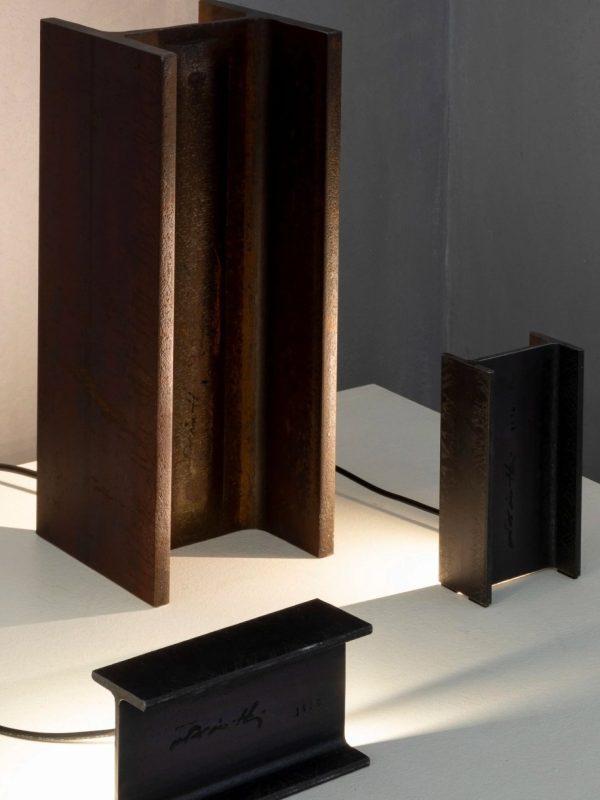
Customize the color
We can match any color based on standard color codes or provided samples.

Post-processing
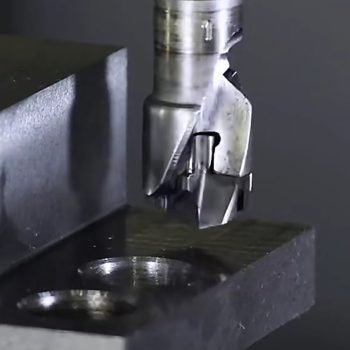
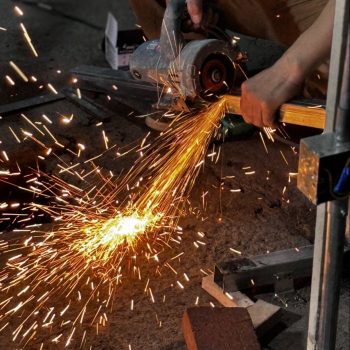
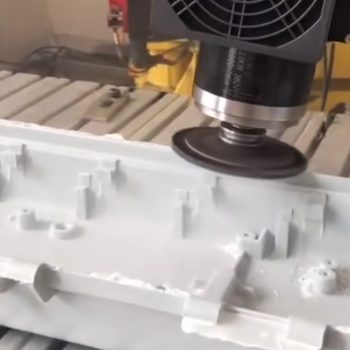
We also provide various post-processing services for fiberglass I-beams, including cutting, drilling, connecting and assembling, polishing, grooving, etc.
Packaging and shipping
To ensure the product reaches our customers intact, we will apply impact-resistant cushioning material around vulnerable areas of the base board, providing protection during transit.
![{"data":{"pictureId":"663a531d533840518b4b3ae7a9dbb4aa","appversion":"12.6.1","stickerId":"","filterId":"","infoStickerId":"","imageEffectId":"","playId":"","activityName":"","os":"android","product":"retouch","originAppId":"2515","exportType":"","editType":"","alias":"","enterFrom":"enter_launch","capability_key":["edit"],"capability_extra_v2":{"edit":[{"panel":"composition"}]},"effect_type":"tool","effect_id":"edit"},"source_type":"douyin_beauty_me"}](https://www.cfrp-tstar.com/wp-content/uploads/elementor/thumbs/72-r8vpbiwy60ey70lla90fymyxr4l29koha6i0nz6c14.jpg "72")

FAQ
Q1: How strong is a fiberglass l-beam?
A1: The strength of glass fiber I-beams is mainly reflected in their mechanical properties. The specific strength and stiffness depend on the material formula, fiber content, manufacturing process and cross-sectional design:
- Fiber content: The higher the fiber content (usually 50%-70%), the higher the strength and stiffness.
- Fiber type: High-strength S-glass fiber is stronger than standard E-glass fiber.
- Section design: The cross-sectional shape of the I-beam (such as height, flange width, web thickness) directly affects the bending and shear resistance. Larger sections (such as heights above 200 mm) can withstand greater loads.
Q2: What are fiberglass l-beams used for?
A2: Its main uses are:
- Used in lightweight structural supports for vehicles (trucks, trailers), marine vessels, and aerospace components.
- Replaces steel in corrosive environments (chemical plants, offshore platforms).
- Provides electrical insulation in power infrastructure.
Q3:Is fiberglass illegal?
A3: Fiberglass itself is not illegal; it is a legal and widely used industrial material. Possible violations:
- Failure to take safety precautions, endangering workers’ health
- False advertising or illegal waste disposal
- Use in areas prohibited by law (such as military technology export controls)
Traditional Steel VS Fiberglass Steel
1. Key Properties Comparison
| Property | Traditional Steel | Fiberglass (FRP) |
|---|---|---|
| Density | High (~7.8 g/cm³) | Low (~1.5–2.0 g/cm³) |
| Strength-to-Weight Ratio | Moderate | High (50–70% lighter than steel, similar strength) |
| Corrosion Resistance | Prone to rust (requires coatings) | Excellent (resists acids, alkalis, seawater) |
| Electrical/Thermal Conductivity | Conductive | Non-conductive, low thermal conductivity |
| Magnetic Properties | Typically magnetic | Non-magnetic |
| Fatigue Resistance | Susceptible to metal fatigue | Superior fatigue resistance |
| Fabrication | Requires welding/cutting | Easily cut, drilled, no welding needed |
| Maintenance | Needs anti-rust treatments | Virtually maintenance-free |
Key Advantages of Fiberglass (FRP)
(1) Lightweight & High Strength
Applications:
Trucks, trailers, marine vessels, aerospace (weight reduction improves fuel efficiency).
Example: FRP I-beams in truck bodies can reduce fuel consumption by 10–15%.
(2) Superior Corrosion Resistance
Applications:
Chemical tanks, offshore platforms, wastewater treatment (lasts 30+ years vs. steel’s 10–15 in seawater).
(3) Electrical Insulation & Non-Magnetic
Applications:
Power transmission (insulating supports), MRI rooms, telecom towers (no signal interference).
(4) Design Flexibility
Advantage:
Can be molded into complex shapes (e.g., curved panels, seamless structures).
Example: FRP wind turbine blades are made as single units, reducing weak joints.
FRP is a disruptive material in the fields of weight reduction, corrosion resistance, insulation, and non-magnetism, but the selection must be weighed based on actual needs.


